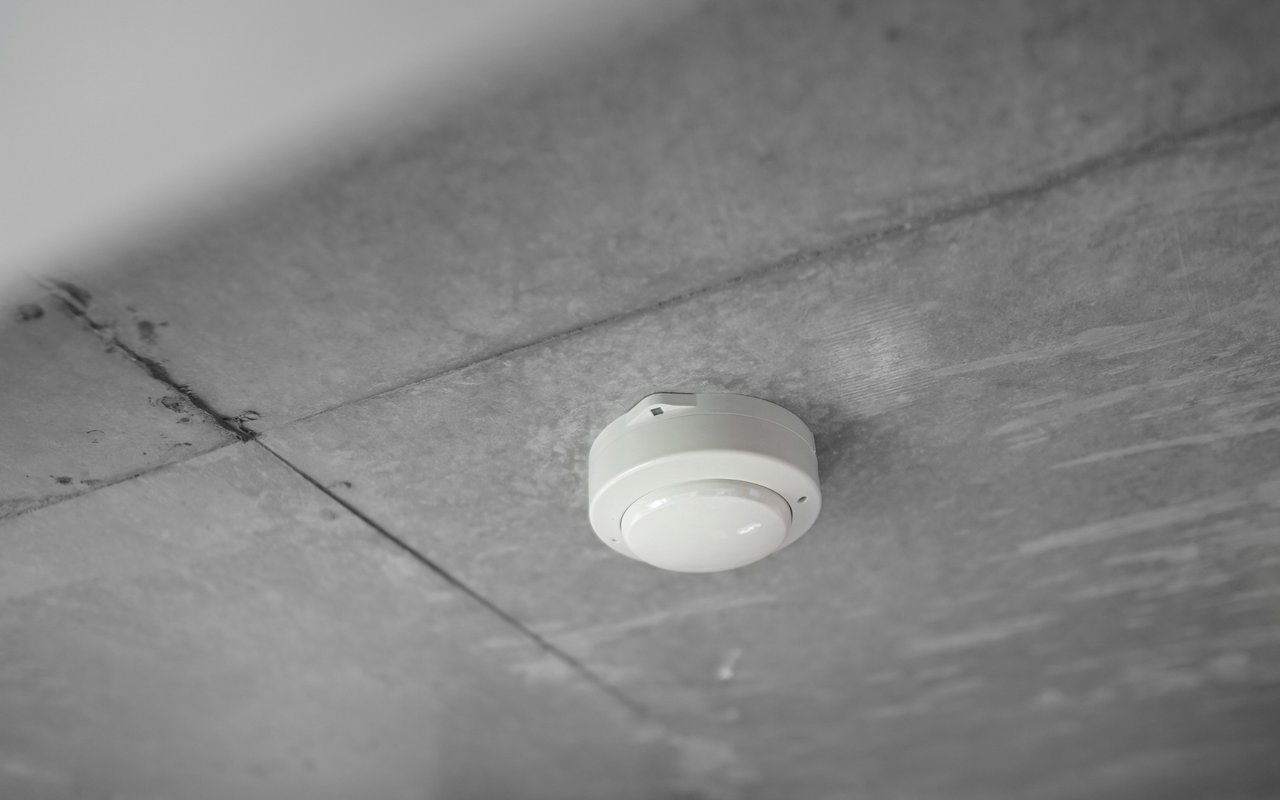
Massachusetts Smoke Detector Law: A Seller’s Inspection Guide
October 19, 2025
October 19, 2025
Selling a home in Massachusetts involves more than signing papers and handing over keys. One crucial — and often overlooked — step is passing the fire department’s smoke and carbon monoxide inspection. Without that certificate, your home simply can’t close.
Too many sellers wait until the last minute to schedule this inspection, only to find their local fire department fully booked. The result? Stress, delays, and sometimes postponed closings. Massachusetts law is specific about where smoke detectors belong, how many you need, and what type of alarm meets code — all of which depend on when your home was built.
This guide breaks down everything you need to know as a seller: from placement rules to scheduling tips, so your smoke inspection is one less thing standing between you and the closing table.
Massachusetts requires every home being sold to pass a fire department inspection confirming the smoke and carbon monoxide alarms are properly installed and working. This inspection is regulated by your local department, not a private company, and you’ll receive a Certificate of Compliance once approved.
Without that certificate, the closing attorney or lender cannot finalize your sale. Because inspections are often booked two to three weeks out, it’s smart to schedule yours early — even right after listing the home. Since the certificate is good for six months, you can secure it early and stay compliant through closing.
No matter when your home was built, these are the basic statewide requirements:
Combination smoke/CO alarms must meet Massachusetts Department of Fire Services (DFS) standards and comply with NFPA 72 codes.
Pro Tip: Even though battery units are legal, upgrading to sealed lithium models ensures compliance and minimizes false alarms.
Seller Tip: A disconnected or malfunctioning hardwired unit can fail your inspection, even if others work fine.
Seller Tip: Ensure all detectors are the same brand — mismatched units can prevent interconnection and cause inspection failure.
Under M.G.L. Chapter 148, Section 26F½, every home with fuel-burning equipment or an attached garage must have CO alarms:
Even if your home is fully electric, many fire departments still expect CO alarms for consistency and safety verification.
Inspection fees: typically $50–$100 for single-family homes, up to $200 for multi-family properties.
Time required: usually 10–20 minutes, depending on home size.
Certificate validity: good for six months from issue date.
If your home fails inspection, make the corrections and request a re-inspection. Most departments can return within a few days once issues are resolved.
You’ll receive a list of corrections to make — like adding detectors or adjusting placement — and you’ll need to reschedule. Once fixed, the re-inspection is usually quick.
Only if it’s delayed beyond six months from the certificate’s issue date.
Avoid it. Your system must meet the standard for the home’s construction year, and all interconnected detectors must match in brand and compatibility.
Each unit must meet the same requirements, plus common areas (like hallways or basements) must have properly placed alarms.
Yes — if they’re photoelectric and DFS-approved. Smart alarms like Nest Protect often qualify and simplify testing.
Massachusetts takes smoke and carbon monoxide safety seriously — and so should sellers. Getting ahead of your inspection not only protects your home’s occupants but also protects your closing date. Schedule early, double-check your detectors, and avoid the last-minute scramble that too many sellers face.
A little preparation today keeps your sale on schedule tomorrow.

Blog
A New Name, Same Local Expertise in South Shore Real Estate

Review the January 2021 Scituate real estate market report with local home sales and pricing data.

Discover the best local ice cream stands in and around Cohasset for delicious sweet summer treats.

Weigh the benefits and risks of dual agency to decide if it fits your real estate transaction goals.

Discover the key differences between home valuations and appraisals before selling your real estate.
When it comes to the List to Sold Price percentage, we're currently at an impressive 101.6%!
While I am not a native of Cohasset, I am very entrenched here. I can find you the right house, bank, builder, school, yoga studio, and yes, even the freshest organic ingredients for a good meal.